The Platform for Optimization
The Platform for Optimization is a methodical approach to building a marketing organization that improves continuously: learn and understand the business, structure the organization for success, establish the right mindset, install the systems that continually drive the business, and develop the programs, campaigns, and tactics that achieve objectives. Developed over 20+ years of operating experience across four organizations and multiple industries, it is a platform rather than a playbook, and it works whether the business sells technology, hospitality, or shoes.
The pyramid
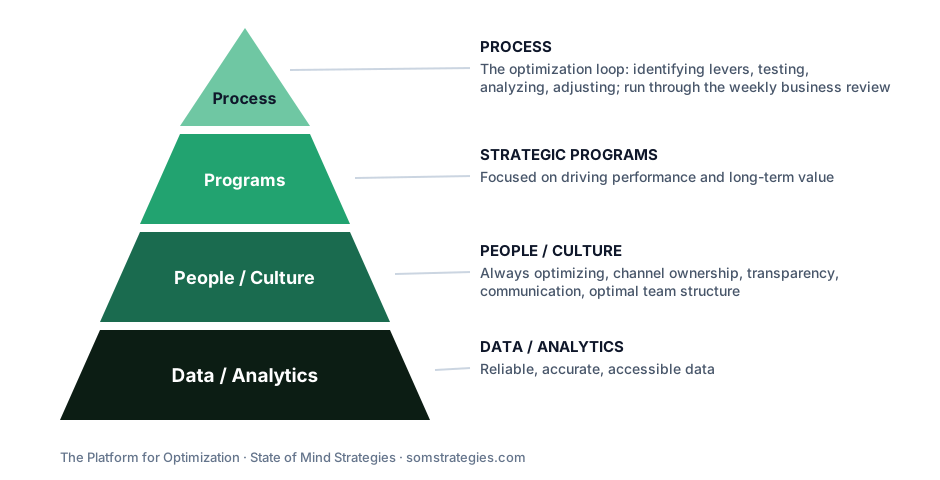
The platform is a pyramid. Each layer rests on the one beneath it, and the order is the point: programs built on weak data fail, and process without programs is theater.
Data / Analytics is the foundation. Reliable, accurate, accessible data. Every report is built to a single standard: will this data help us understand the business or make a decision that impacts it? The team learns to read the numbers together, because the numbers are the story of how the business makes money.
People / Culture sits on the data. Always optimizing, clear channel ownership, transparency, communication, and an optimal team structure. Ownership means the complete kind: the accountability, responsibility, and authority described in the iron triangle of getting things done. The leader's job is servant leadership: clear documented direction, decisiveness, real delegation, and over-communication, so the experts can do what they are experts in.
Programs turn capability into results. Strategic programs focused on driving performance and long-term value, not activity: campaigns and tactics built in layers, tested deliberately, and prioritized by effort against impact.
Process is the top of the pyramid. Process here is not paperwork. It is the optimization loop: identifying the levers that drive results, then testing, analyzing, and adjusting as needed, continuously. The operating cadence carries it: the weekly business review as the cornerstone, weekly project reviews, daily standups, one-on-ones, and a living strategy deck. Two mantras anchor it: if you don't document it, it never happened, and the question every review ends on, where is our next dollar or minute best spent?
Why it is a platform, not a playbook
Playbooks assume the business. A platform assumes only that there is a business worth understanding. The five layers have been built and rebuilt across gaming technology, integrated resorts, sports media, SaaS, and retail, and the method never changed: learn the business, structure the team, set the mindset, install the systems, run the programs. The industry knowledge is learned in layer one; everything after it is discipline.
That is also why it compounds. Organizations built this way do not depend on a heroic quarter or a single channel insight. The weekly cadence keeps surfacing what is working, the documentation keeps the learning, and the prioritization keeps resources moving toward return.
How it connects to the Commercial Growth Model
The Commercial Growth Model answers the diagnostic questions: where is growth breaking down, and why. The Platform for Optimization is what runs the function once the constraint is known, so the fix holds and improvement continues. In a fractional CMO engagement, the model finds the constraint and the platform becomes the team's operating system. The first quarter of that work is described in the first 90 days as a fractional CMO, and the starting point is an honest read of the organization using the marketing capability assessment.
Frequently asked questions
What is the Platform for Optimization?
The Platform for Optimization is a framework developed by Zachary Leifer, founder of State of Mind Strategies, for building marketing organizations that improve continuously. It is a methodical approach to learning and understanding a business, structuring the organization for success, establishing the right mindset, installing the systems that continually drive the business, and developing the programs, campaigns, and tactics that achieve objectives.
Is it specific to one industry?
No. It is a platform, not a playbook for one market. The same approach has been built and deployed across gaming and hospitality, sports media, SaaS, and retail organizations. The business being optimized changes; the method of learning it, structuring it, and improving it does not.
How does it relate to the Commercial Growth Model?
The Commercial Growth Model is diagnostic: it identifies where growth is breaking down and why. The Platform for Optimization is operational: it is how the function is run after the constraint is found, so improvement compounds instead of depending on one heroic quarter. Engagements typically use both.
What is the cornerstone of the operating cadence?
The weekly business review. It is where the team reads the numbers together, connects them to the story of how the business makes money, and answers the question that guides every decision: where is our next dollar or minute best spent?
Want a marketing organization built to improve?
A discovery call is a focused conversation about how growth works in your business today and what the function needs to compound.